Reading: 4 mins
- A dumbphone favors calls, texts and simple use, with few digital distractions.
- Models like Nokia, Doro or Light Phone focus on autonomy, the physical keyboard and digital minimalism.
- Their main disadvantage remains limited access to applications, geolocation and parental control tools.
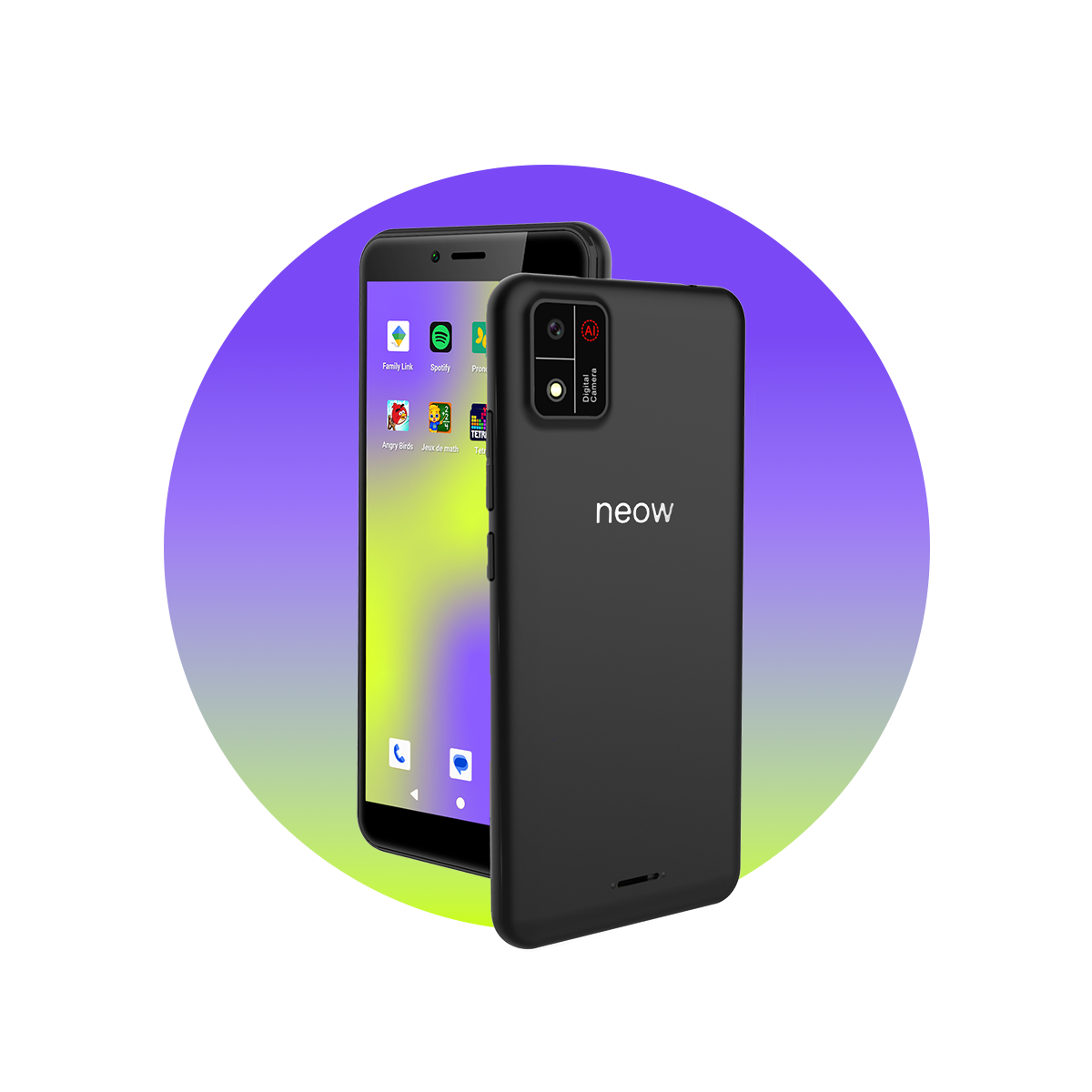
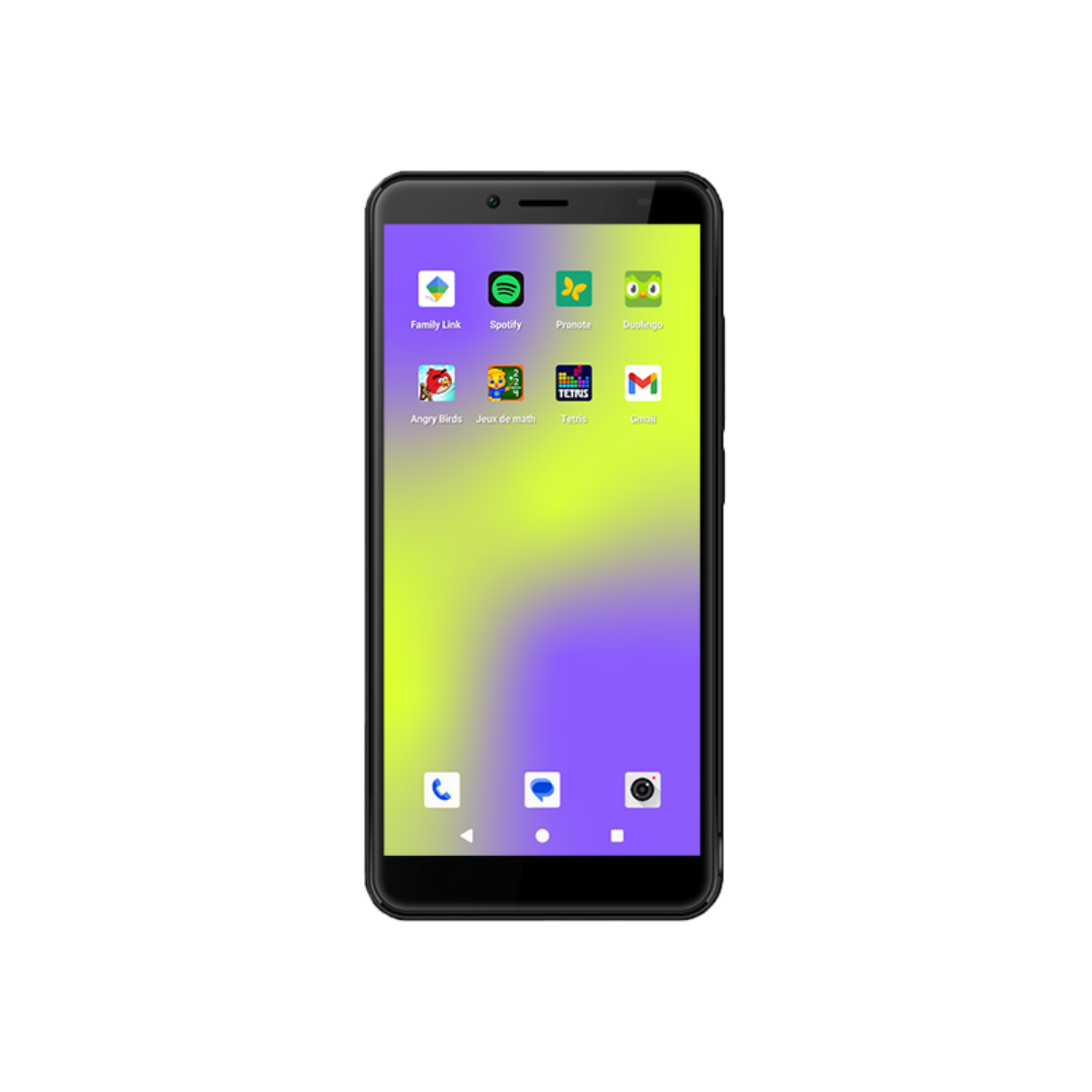
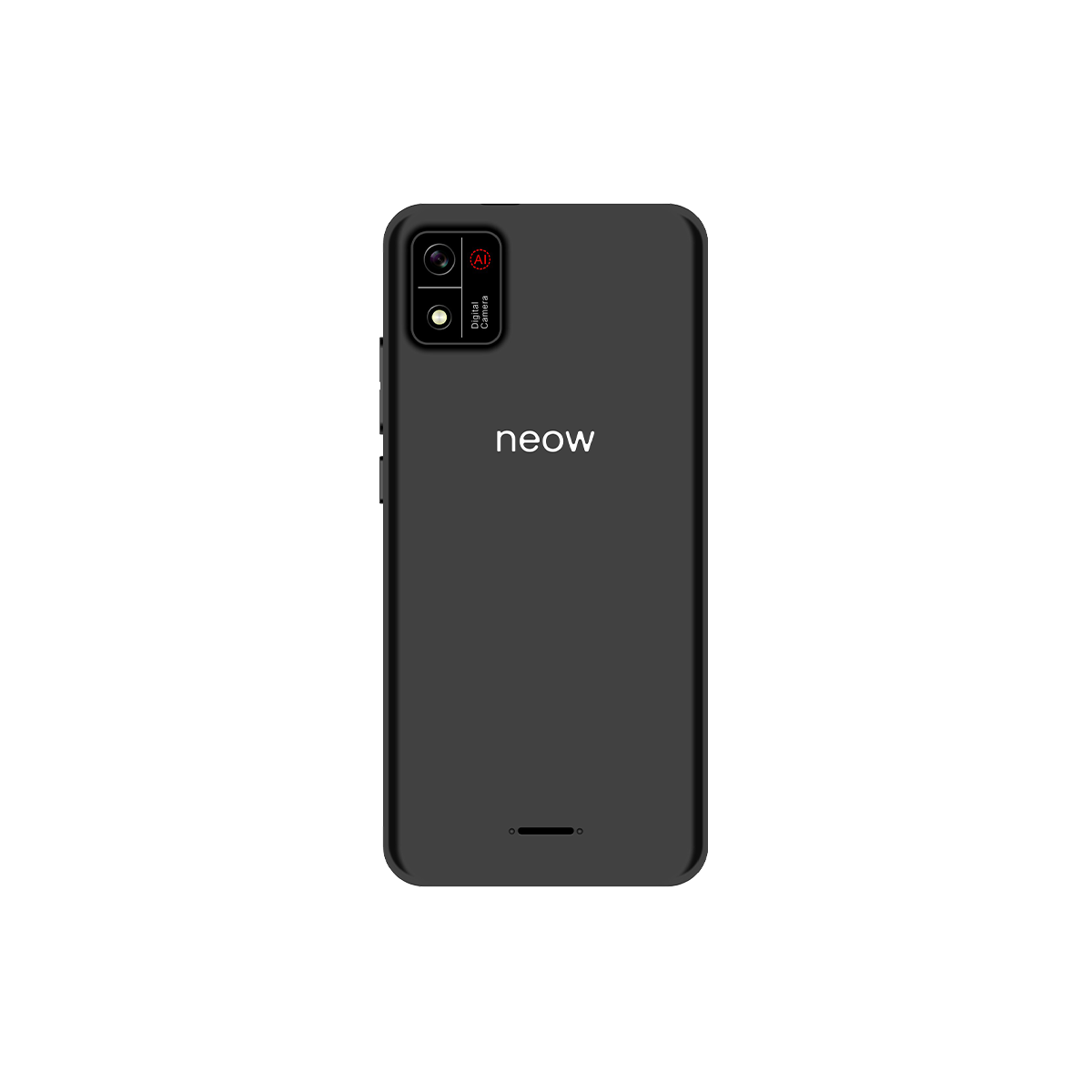
- NEOW Kids offers an intermediate alternative: a secure smartphone designed for children, between useful freedom and a reassuring framework.
The return of the dumbphone is intriguing more and more families. Faced with the increase in screen time and intensive use of smartphones, some parents are considering a return to a simpler phone for their children.
Between digital minimalism and the desire to better regulate uses, the dumb phone stands out as an alternative to the smartphone... but is it really the best solution?
What is a dumbphone?
A dumb phone (often compared to a basic cell phone) is a mobile phone designed for essential uses: calls and SMS. It differs from the Feature Phone, which can offer more functionalities (applications, limited access to the Internet), whereas the dumb phone favors deliberately minimal use.
Unlike a smartphone, it offers:
- a physical keyboard,
- few or no applications,
- great autonomy,
- limited access to the Internet,
- operation similar to old GSM phones.
There are different formats, notably the flip phone (or Flip phone), but also classic models inspired by the Nokia 3310 or the Nokia 3210, which have become emblematic of the Nokia brand.
Some modern models, like the Light Phone 3, go even further in the logic of Digital Detox: no applications, no notifications, only the essentials.
The dumb phone is therefore directly opposed to the 4G or 5G smartphone, by offering a deliberately simplified experience, close to a use almost comparable to a landline telephone or a pager.
What is the best dumbphone?
Today there are several models of dumb phone adapted to different needs. Here is a comparison of the most popular options:
|
Model |
Brand |
Advantages |
Disadvantages |
Indicative price |
|---|---|---|---|---|
|
Nokia 2720 Flip |
Nokia |
Flip phone format, WhatsApp possible |
Limited interface |
~80–110€ |
|
Nokia 800 Tough |
Nokia |
Resistant, good autonomy |
Few applications |
~110–140€ |
|
Nokia 3310 |
Nokia |
Very simple, robust |
No modern apps |
~50–70€ |
|
Nokia 3210 |
Nokia |
Ultra basic, reliable |
Very limited |
~40–60€ |
|
Doro 7030 |
Doro |
Easy to use |
Few features |
~80–110€ |
|
LightPhone 3 |
light |
Total minimalism |
High price, very limited |
~350–450€ |
Some models use KaiOS, allowing you to add a few applications like WhatsApp, sometimes with VoLTE compatibility depending on the mobile networks.
These phones are available from various distributors such as Fnac or Boulanger, as well as from certain operators such as Orange or SFR.
The choice will mainly depend on the level of simplicity sought and the age of the user.
Why choose a basic phone for your child?
The dumbphone has several advantages for children and parents.
For the child
- Reduced screen time
- Fewer digital distractions
- Easier concentration
- Less exposure to social media
- Healthier approach to digital minimalism
For parents
- Less inappropriate content accessible
- Easier to understand usage
- Less dependence
- No need to manage many applications
In terms of first experience of the mobile phone, the dumb phone can also be a gift idea for teenager useful and reassuring to support first digital uses.
The limits of dumbphones: disadvantages to know
Despite their advantages, dumbphones have several important limitations.
- Very limited functionality
- Little or no mobile app
- Unable to use certain everyday services
- No smooth access to the Internet
- Lack of connectivity
- GPS limited or absent
- Few geolocation options for phone
- Difficulty tracking movements
-
Lack of parental control. Unlike a classic smartphone, there is generally no system of parental control integrated.
Parents therefore have little visibility into actual phone use. -
Risk of frustration. During adolescence, a phone that is too limited can be frowned upon.
The dumb phone can create a gap with current social uses.
Can you go from a smartphone to a dumbphone?
Switching from a smartphone to a dumbphone is possible, but requires real adaptation.
This implies:
- abandon certain digital habits,
- significantly reduce the use of applications,
- accept a more limited experience.
For some adults, this transition is part of an approach to digital minimalism.
For a teenager, it can be more difficult to accept in the long term.
Returning to a basic mobile phone may therefore be relevant in certain cases, but rarely remains a lasting solution on its own.
Alternatives to dumbphones: the Neow Kids solution
Between classic smartphone and dumbphone, there is an intermediate approach.
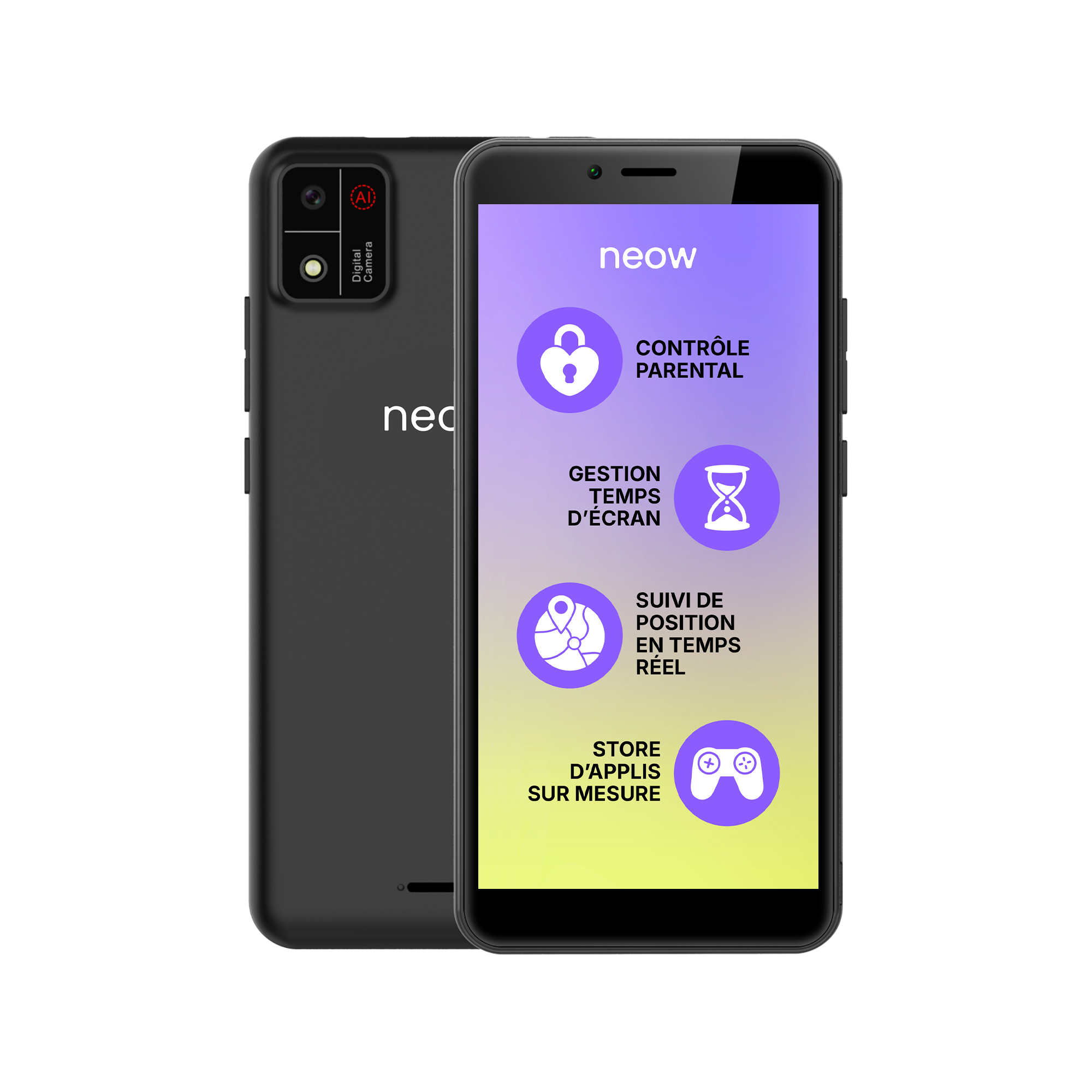
The phones for teens like the NEOW Kids phone propose a structured framework:
- no social networks by default,
- no search engine,
- management of applications by parents,
- integrated parental control system,
- possibility of activating the geolocation for phone.
Unlike a dumbphone, the child retains useful uses: communication, music, essential applications, while being protected.
This approach allows us to avoid the extremes: a smartphone that is too open or a dumb phone that is too limited.
It gradually supports digital autonomy, without rushing uses.
For the youngest, a connected watch for children can also be a first step before the phone.