Which smartphone should you choose for your teenager's summer holidays?
Reading time: 3 mins
Summarise this article
Save time by using AI to synthesise this content.
- The first secure smartphone from the NEOW Kids range is the optimal solution for balancing a teenager's progressive autonomy with peace of mind for parents over the summer.
- Traditional filtering apps prove easy to bypass for tech-savvy youngsters with free time (by changing time zones, using VPNs, or connecting to public Wi-Fi).
- In the UK, the Data Protection Act 2018 sets the age of digital consent at 13 (Information Commissioner's Office, 2018), aiming to better regulate independent access to online platforms.
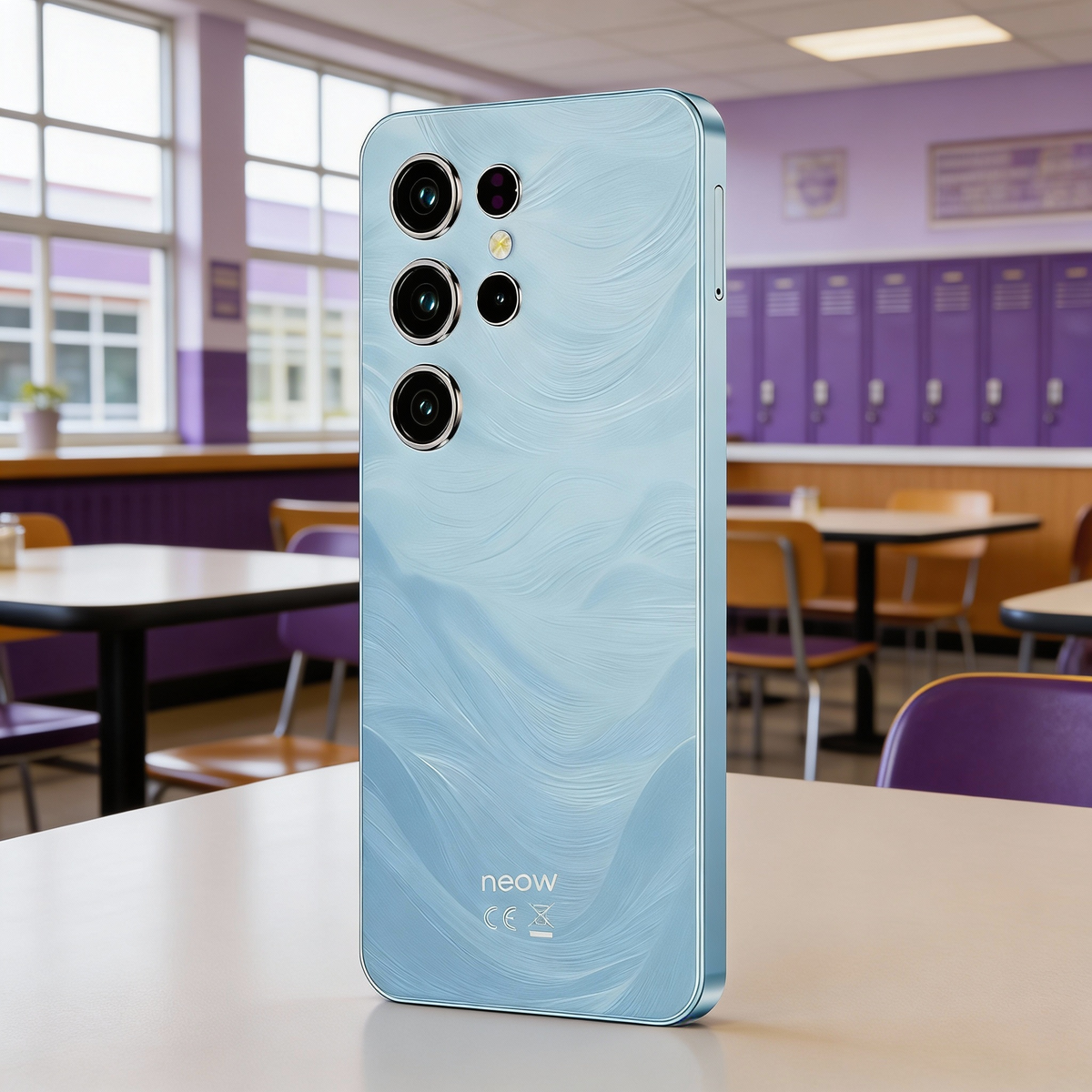
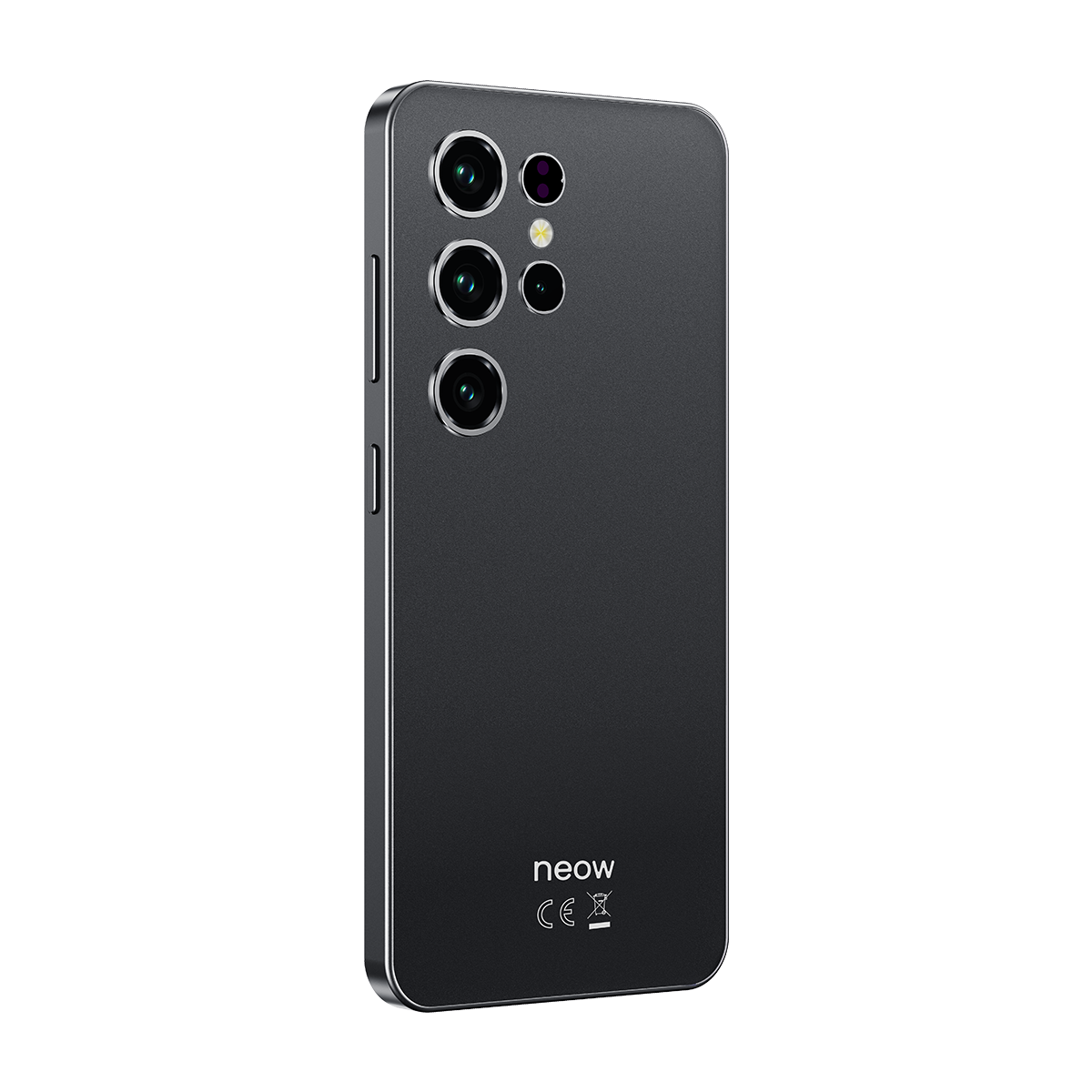
The first secure smartphone from NEOW Kids constitutes the benchmark solution for combining the independence of teenagers and parental peace of mind during the summer holidays. It allows them to stay in touch and use essential applications without being exposed to the dangers of unfiltered internet access, unlike traditional smartphones where parental controls can easily be bypassed.
The hybrid NEOW Kids smartphone: the ideal solution for summer
Opting for a device from the NEOW Kids range represents the perfect compromise to offer a truly peaceful holiday to parents and teenagers alike, thanks to a system focused on digital well-being. This device natively eliminates the risks of the open web while preserving essential social connections. Thanks to a controlled digital framework, young people take full advantage of the present moment without succumbing to hyper-connectivity.
Equipped with an active SIM card, this device allows the teenager to use essential communication tools to stay in touch. They can make calls to chat about their day, send a reassuring text message in the evening, or use WhatsApp in a supervised manner with their close circle. If they are travelling within Europe, mobile roaming features ensure they remain reachable, regardless of their holiday destination.
The device also integrates a modern and efficient camera. Teenagers can immortalise their summer memories, photograph landscapes, or film their sporting achievements before sharing the files with their family. The default absence of open web browsers and addictive social media like TikTok or YouTube prevents online misuse. Finally, its sleek design, which looks just like a classic smartphone, removes any risk of stigmatisation among peers at summer camp.
- Controlled digital framework: A technological environment restricted at the source, prohibiting access to open web browsers and unmoderated messaging applications.
- Digital well-being: A balanced use of technology that prioritises real-life relationships and switching off from addictive interfaces during leisure time.
The limits of classic smartphones and external parental controls
Traditional smartphones, even when paired with external filtering apps, prove to be ineffective at ensuring the safety of pre-teens left to their own devices over the summer. Lending an old family phone or buying a standard entry-level model exposes young people to significant risks of excessive screen time. With plenty of free time during the holidays, teenagers are increasingly resourceful when it comes to bypassing standard digital locks.
A simple change of the time zone in the device settings, quickly installing a free VPN, or connecting to an unsecured public Wi-Fi network at a campsite is usually enough to shatter software restrictions like Family Link. Furthermore, using an unrestricted mobile plan abroad carries the risk of excessive data roaming charges if airplane mode is accidentally switched off.
According to research from Ofcom (2024), the attention-grabbing mechanics built into classic Android or iOS systems foster strong dependency. Faced with architectures designed for an adult audience, external blocking tools are too permissive to guarantee a secure environment unless the protection is natively anchored within the device's core operating system.
- 13 years old: the legal age of digital consent in the UK for processing personal data on social platforms (Information Commissioner's Office, 2018).
- Over 4 hours: the average daily time spent in front of a screen for leisure by young people during weekends and school holidays, according to Ofcom (2024).
Summer camps and independent trips: managing parental anxiety
Having a direct channel of communication is essential to ease the legitimate concerns of families when a teenager travels away for the first time. Whether it's a stay with grandparents, a scout trip, or a residential summer camp, distance naturally creates stress. Being able to exchange voice notes or receive a text message in case of an unforeseen event provides genuine parental peace of mind.
However, this communication device must in no way isolate the teenager from their summer environment or hinder their socialisation. According to the internal rules applied by the majority of renowned UK summer camp providers, such as PGL or Kingswood, the use of mobile phones is strictly regulated. Specific time slots, most often in the late afternoon or just before dinner, are established to preserve group dynamics and encourage a digital detox.
Traditional alternatives failing the summer holiday test
Historical solutions based on the complete absence of a device or the adoption of a basic mobile (dumbphone) quickly show their limits in practice. Choosing a radical digital detox—assuming that the camp leaders will manage all emergencies—creates frustration for the teenager, who feels cut off from the world, and heightens the anxiety of family members deprived of direct updates.
On the other hand, a basic phone with a physical keypad prevents internet misuse but proves unsuitable for modern practical needs. Without contemporary mapping tools like Google Maps, teenagers lack the reference points to navigate independently if needed. Additionally, the technical inability to capture and send high-quality digital photos deprives the family of sharing their holiday highlights, making an advanced hybrid solution essential.
| Device type | Web Browsing & Social Media | Multimedia Tools & GPS | Resistance to bypassing controls |
|---|---|---|---|
| NEOW Kids range | Blocked by default (secure Store NEOW) | High-quality camera and geolocation included (offline web) | Maximum (native security built deep into the system) |
| Basic mobile (dumbphone) | Absent (strictly limited to calls and SMS) | Lack of modern navigation applications | Absolute (due to the technical absence of functions) |
| Classic smartphone | Full access and continuous unfiltered feeds | Complete features connected to the open internet | Low (external control apps are easily bypassed) |
FREQUENTLY ASKED QUESTIONS
Sources & References
- Information Commissioner's Office (ICO) (2018) - The UK Data Protection Act 2018, which sets the age of digital consent for accessing online services at 13 years old.
- Ofcom (2024) - "Children and parents: media use and attitudes report", detailing the impacts of digital tools and social networks on adolescent development in the UK.
- UK Chief Medical Officers (2019) - Official commentary and advice on screen-based activities and children's mental health.