Which mobile phone should you choose for your teenager starting secondary school?
Reading: 4 mins
Summarise this article
Save time by using AI to synthesise this content.
- The first secure smartphone in the NEOW Kids range is the ideal solution for starting Year 7, offering a controlled digital environment.
- In France, the use of mobile devices is strictly prohibited within secondary schools according to article L511-5 of the Education Code (Public Service, 2024).
- It is highly recommended to choose a device equipped with flexible parental controls and a secure app store to ensure progressive autonomy without direct access to social media.
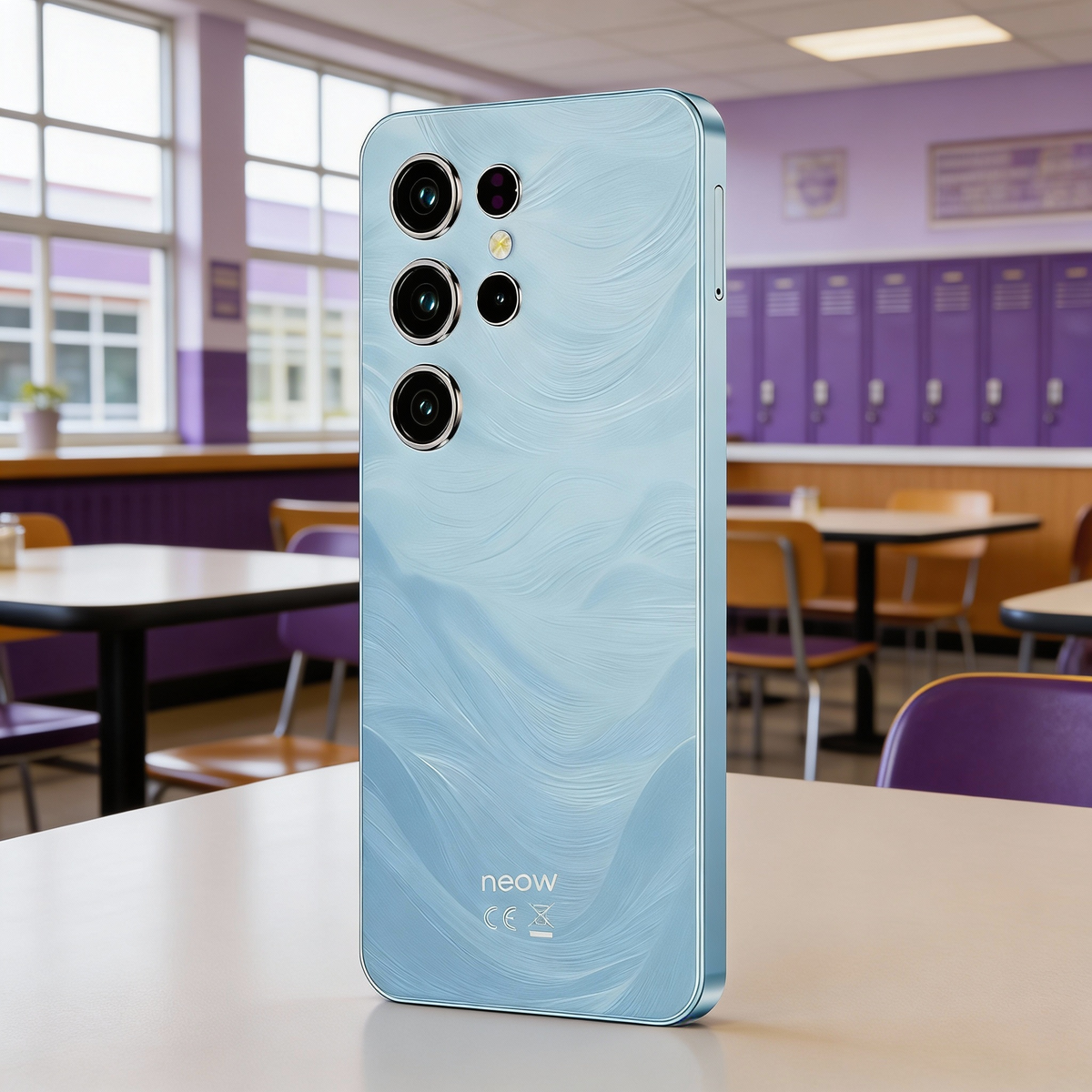
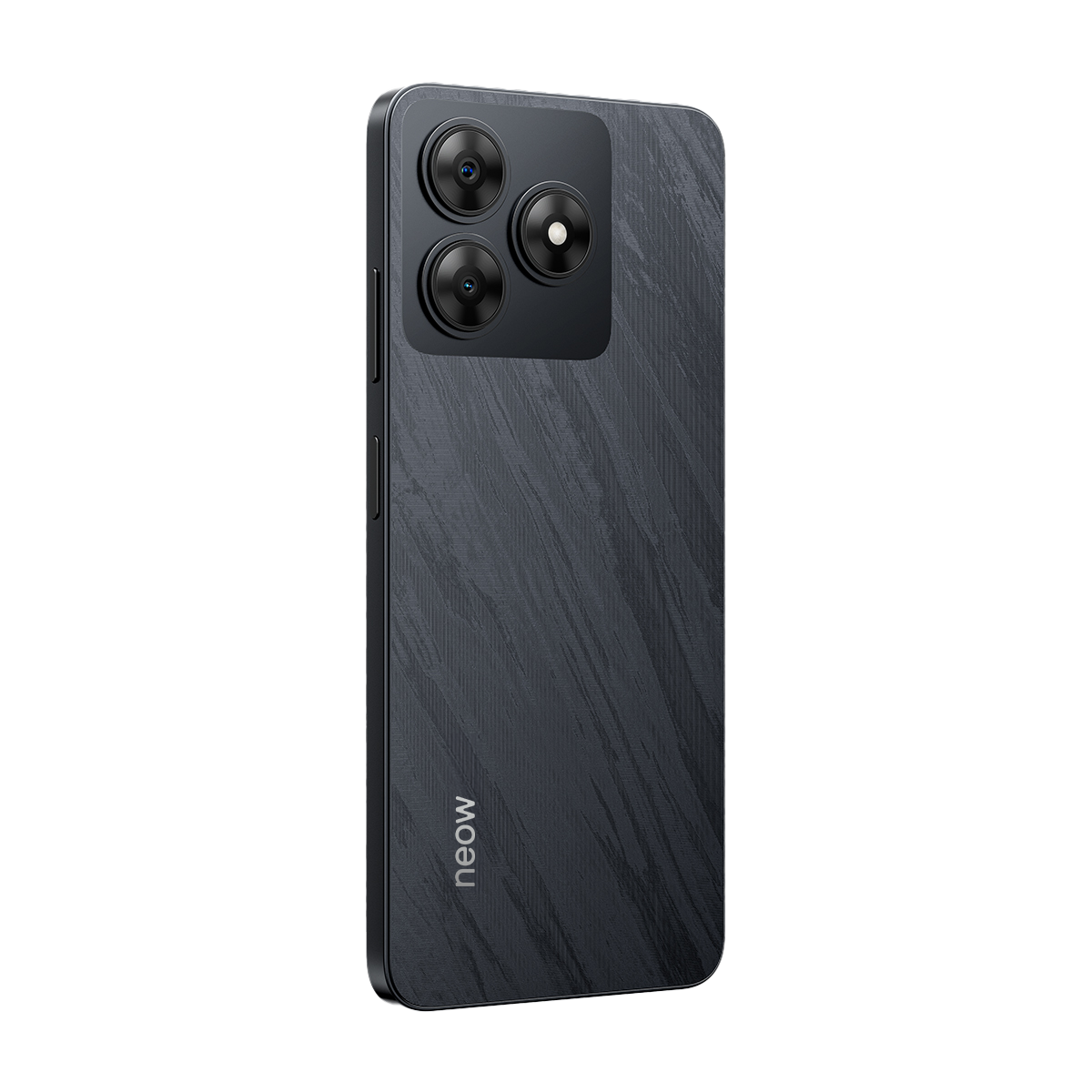
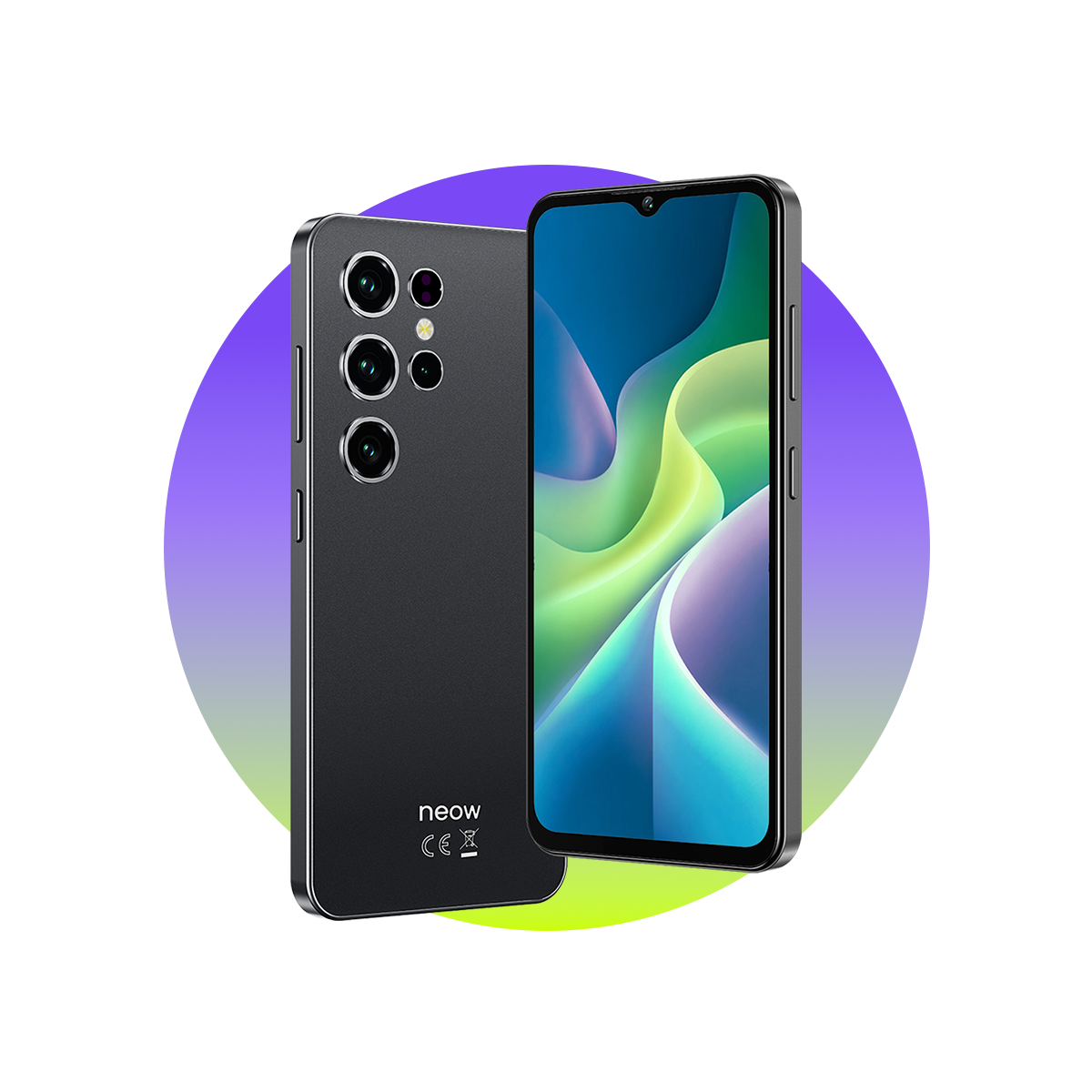
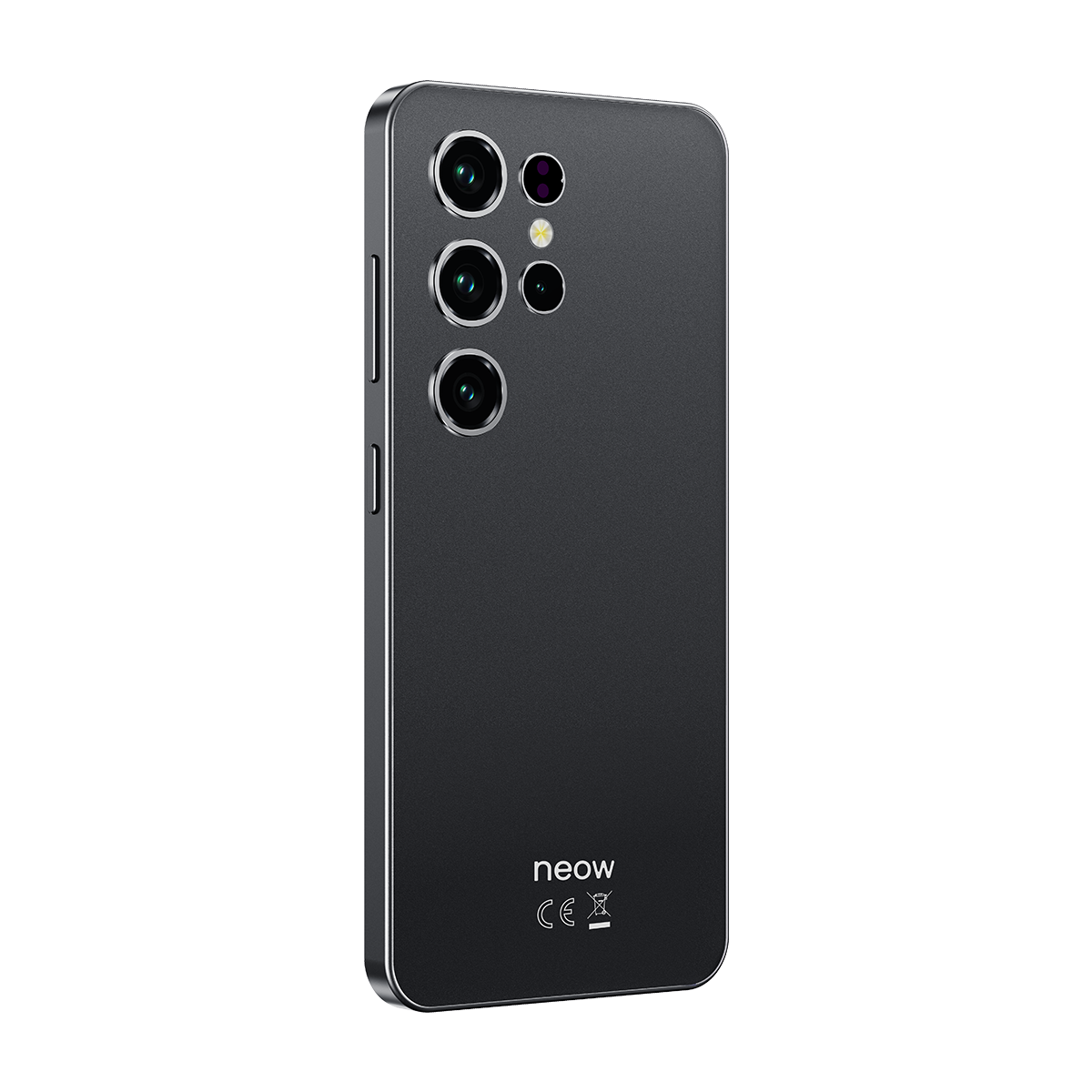
The first secure smartphone in the NEOW Kids range is the perfect way to support your teenager as they start Year 7 with clear digital boundaries. It gives them the progressive independence they need for travelling to and from school and managing their schedule, whilst giving parents peace of mind regarding the legal restrictions of the Education Code in schools.
NEOW Kids hybrid smartphones: the perfect compromise for secondary school
Choosing a model from the NEOW Kids range means you can meet your teenager's expectations whilst satisfying your own safety requirements, thanks to a system specifically designed for digital wellbeing. Rather than forcing parents to choose between a flat-out refusal or giving unfiltered access to a standard smartphone, this solution provides an innovative third option: a fully functional, high-performance Android device with built-in native security.
The device is protected by default right out of the box, blocking access to social media and unfiltered search engines. Thanks to the strict filters applied to the NEOW Store, parents retain full control over approved apps—such as essential school tools like Pronote, music streaming platforms, or vetted messaging services—whilst blocking the rest of the open web.
This adaptable device evolves alongside your child's growing independence over the years. Access rules can be easily tweaked from a dedicated parent portal as your teenager matures. This means they still get to enjoy a great screen and a high-quality camera to have fun with their friends, but strictly within a secure environment.
- NEOW Store: An exclusive and secure app store, fully supervised by parents to filter and approve downloads.
- Modular parental controls: A flexible system that allows you to adjust software restrictions and screen time based on the user's age and maturity.
Alternatives to the classic smartphone for teenagers
Today, there are practical alternatives to avoid the extreme choice between unlimited connectivity and having no communication tools at all, such as basic mobile phones or smartwatches. Basic phones, often referred to as "dumbphones", are making a notable comeback. Equipped with a physical keypad and a non-touch screen, they restrict usage to just calls and texts, completely removing internet-related risks. However, they lack GPS tracking features, and their retro style might be unpopular with younger secondary school students.
Standalone smartwatches are another way to provide a highly restricted setup for the school environment. These stripped-back models operate without a built-in SIM card and sync via Bluetooth with the phone left securely at the bottom of the student's bag.
This setup ensures absolutely zero distractions during lessons and strictly complies with the phone-free policies mandated by school rules. While the main phone stays on standby to reassure parents during the school run, the watch simply allows the teenager to check the time or set alarms.
| Device type | Internet & app management | Built-in security | Compliance with school phone bans |
|---|---|---|---|
| NEOW Kids range | Blocked by default, access controlled via the NEOW Store | Modular parental controls and built-in scalable security | Total (device switched off or kept in bag) |
| Basic mobile phone (dumbphone) | No internet access or modern apps | Secured by technical limitations of the hardware | Total (compliant with regulations) |
| Classic smartphone | Unrestricted access to web browsers and social media | Third-party filters can be applied but are easily bypassed | Often requires handing the device in at the start of the day |
What does the law say about mobile phones in secondary school?
To help students focus, the use of mobile communication devices is strictly prohibited within French educational institutions. According to the official legislation detailed by Public Service (2024), article L511-5 of the Education Code firmly regulates this practice across primary and secondary schools.
Each school's own rules enforce this national legislation. Furthermore, public services are actively rolling out a "phone-free" policy. This measure requires devices to be placed in secure lockers as soon as students arrive at school in the morning. The phone therefore remains out of sight and out of reach throughout the entire school day for all pupils. For context, data from the Ministry of National Education (2024) shows that the average age a child gets their first phone is currently between 10 and 11 years old.
There are very specific exceptions, primarily for medical reasons where a student with a recognised health condition requires continuous monitoring via a connected medical device. Outside of these exceptional circumstances, mobile phones may only be used for specific educational activities, strictly under the supervision of a teacher.
- Article L511-5 enforces a strict ban on connected devices in French secondary schools (Education Code, 2024).
- The average age of students getting their first personal device right before starting Year 7 is 10 to 11 years old (Ministry of National Education, 2024).
Why avoid giving a traditional smartphone for secondary school?
Standard, unrestricted mobile phones present multiple challenges for a young teenager, severely impacting their concentration and making it incredibly difficult to establish clear digital boundaries. The common reflex of handing down an old family phone or buying a basic entry-level smartphone often leads to daily battles over screen time and attention span.
Whether running standard Android or iOS, these platforms are fundamentally designed to capture and hold the user's attention. The constant stream of notifications disrupts homework and revision. Moreover, unrestricted access to major social networks exposes young users to unmoderated content that simply isn't appropriate for their age.
Beyond the apps themselves, the lack of built-in restrictions forces parents to rely on third-party apps like Family Link. While these external solutions do exist, experience repeatedly shows that tech-savvy teenagers can easily find workarounds to bypass these restrictions if they aren't baked directly into the core operating system.
FREQUENTLY ASKED QUESTIONS
Sources & References
- Public Service (2024). Official regulations regarding the use of mobile phones in primary and secondary schools (Article L511-5 of the Education Code).
- Ministry of National Education (2024). Data and official recommendations concerning digital devices for students starting secondary school.