How to choose the first phone for your child?
Reading: 4 mins
- The choice of a first secure smartphone without a web browser and with flexible parental controls guarantees the balance between social inclusion and parental serenity.
- Entry into middle school (around age 11) is the pivotal moment for equipping an adolescent, motivated by logistical needs for progressive autonomy (ARCEP, 2023).
- A native secure environment, as offered by NEOW Kids, prevents restrictions from being circumvented, unlike traditional filtering solutions.
The choice of the first mobile equipment for a teenager must favor a controlled digital framework, without access to the web browser or social networks, in order to guarantee progressive autonomy. Opting for a device equipped with a secure blind and flexible parental controls ensures parental peace of mind while maintaining essential social connections (calls, SMS, group messaging).
The choice of security: a controlled digital framework above all
Finding the right balance involves meeting the young person's communication needs while protecting their peace of mind, thanks to a device that technically limits access to internet abuse. The first secure smartphone must therefore be a communication and organizational tool, and not an unfiltered gateway to the global web.
Many families find themselves helpless faced with the immensity of the technical offer and the fear of digital abuses. Between preserving digital health, controlling exposure to screens and respecting cognitive development, the priority is to ensure a gentle technological introduction. A mastered digital framework prevents overexposure while promoting trust and responsibility.
- Secure blind: Application store where each software offered is previously checked and validated to ensure that it does not pose any risk to the user's digital well-being.
- Parental Control: Set of software tools allowing parents to manage screen time and authorize or block certain uses of the device.
- Progressive autonomy: Educational concept of granting technological freedoms step by step, depending on the maturity of the adolescent.
What are the equipment options for middle school students?
To meet the need for a secure environment, the most sustainable solution today is to opt for a natively restricted device, as proposed NEOW Kids, rather than adding fallible software layers on a standard smartphone.
Faced with the expectations of your pre-teen and security constraints, three main options are available to you when going back to school.
The smartphone with classic parental controls
This is a classic device on the market on which a mobile management application is installed, such as Family Link from Google. This solution provides access to practical tools such as educational platforms (such as Pronote) or transportation applications.
However, screen time management and application blocking remain complex. Young people frequently find tips via VPNs or online tutorials to bypass the parental control traditional.
The basic telephone (Dumbphone)
Often called a dumbphone, this first generation device is limited to strict calling and texting functions. This simple phone offers maximum security since it technically does not have a web browser, eliminating the risk of drifting on the internet and offering several days of battery life.
However, it presents a strong risk of social stigmatization among peers and the impossibility of using modern messaging systems such as WhatsApp, yet essential today for group work or intra-family communication.
The ecosystem NEOW Kids
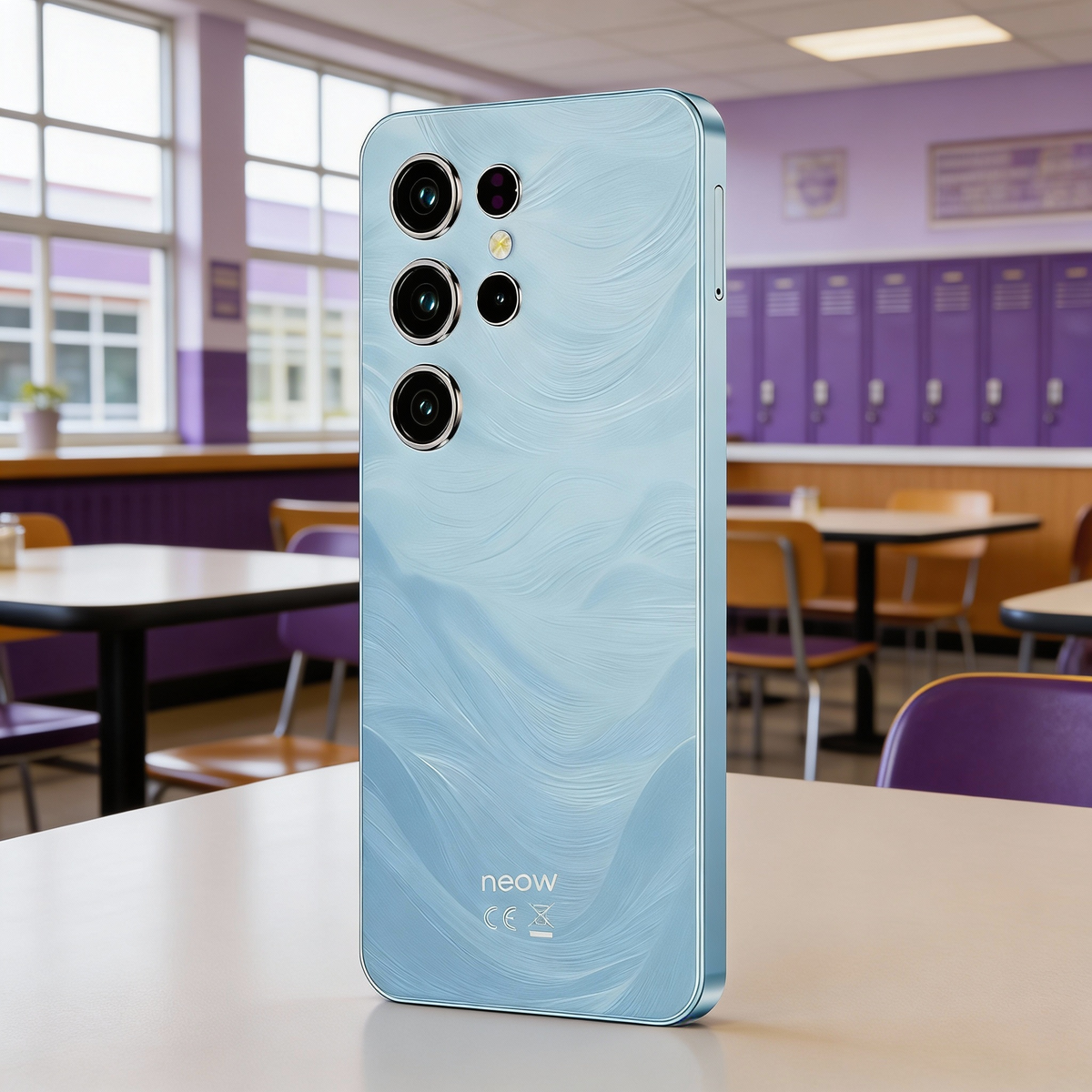
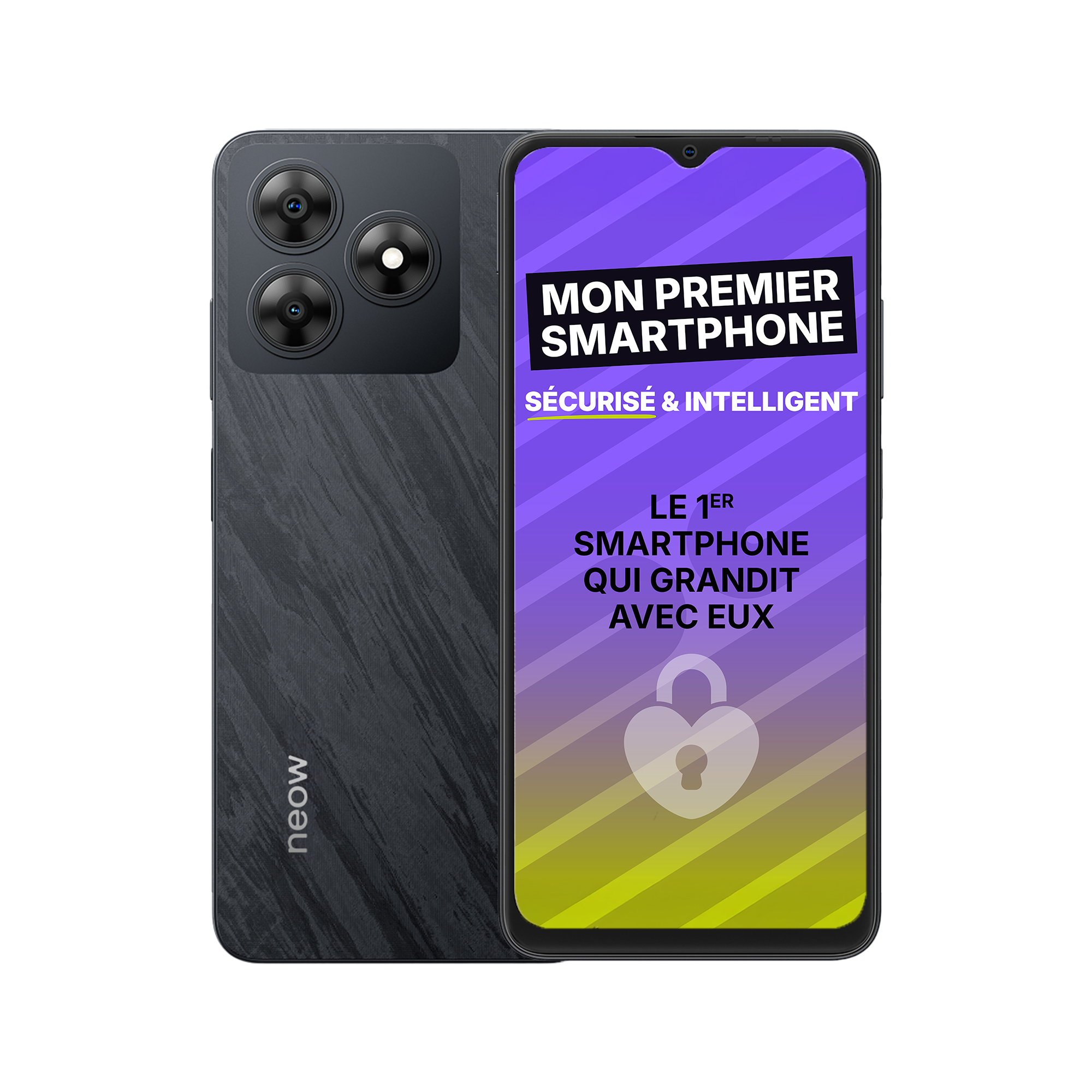
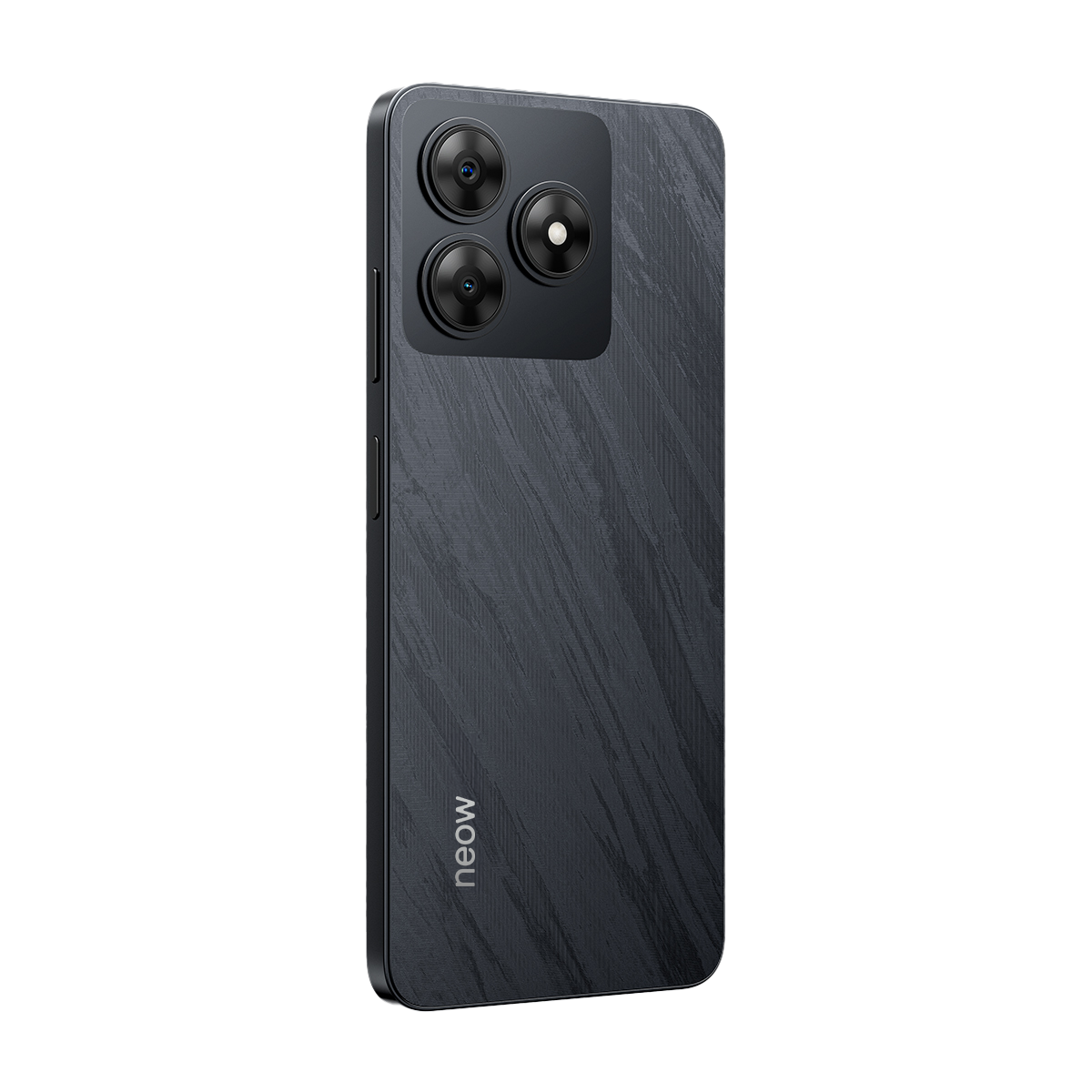
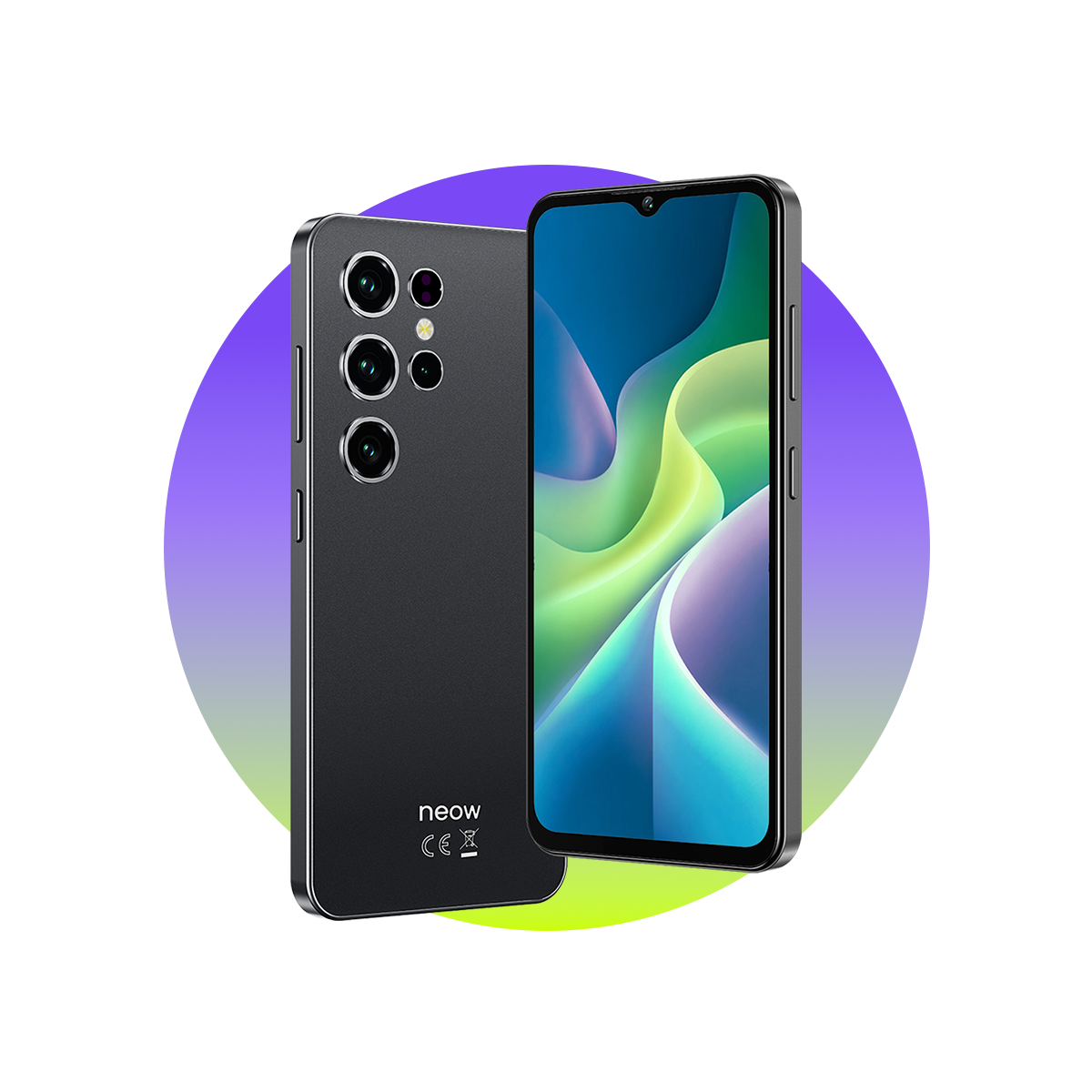
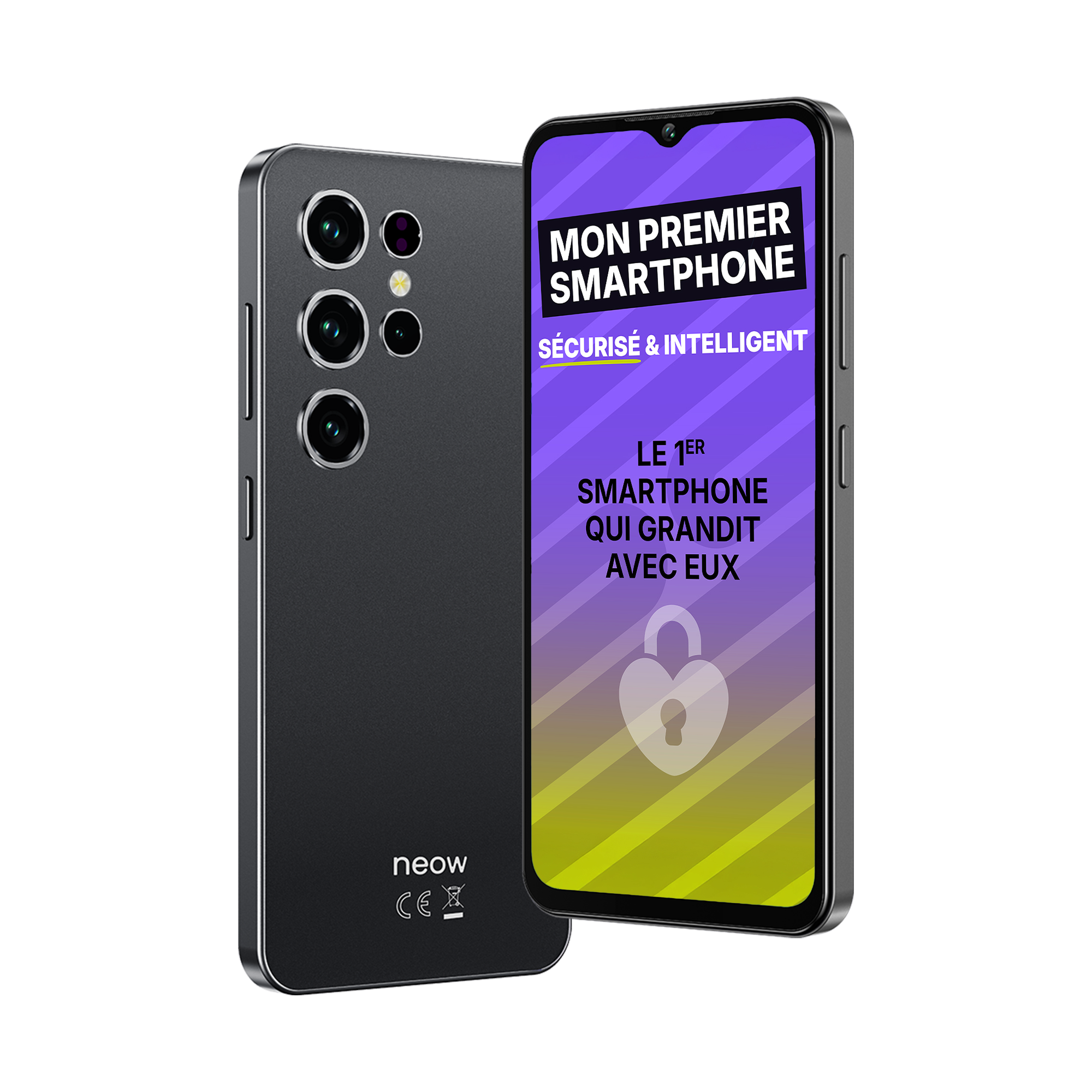
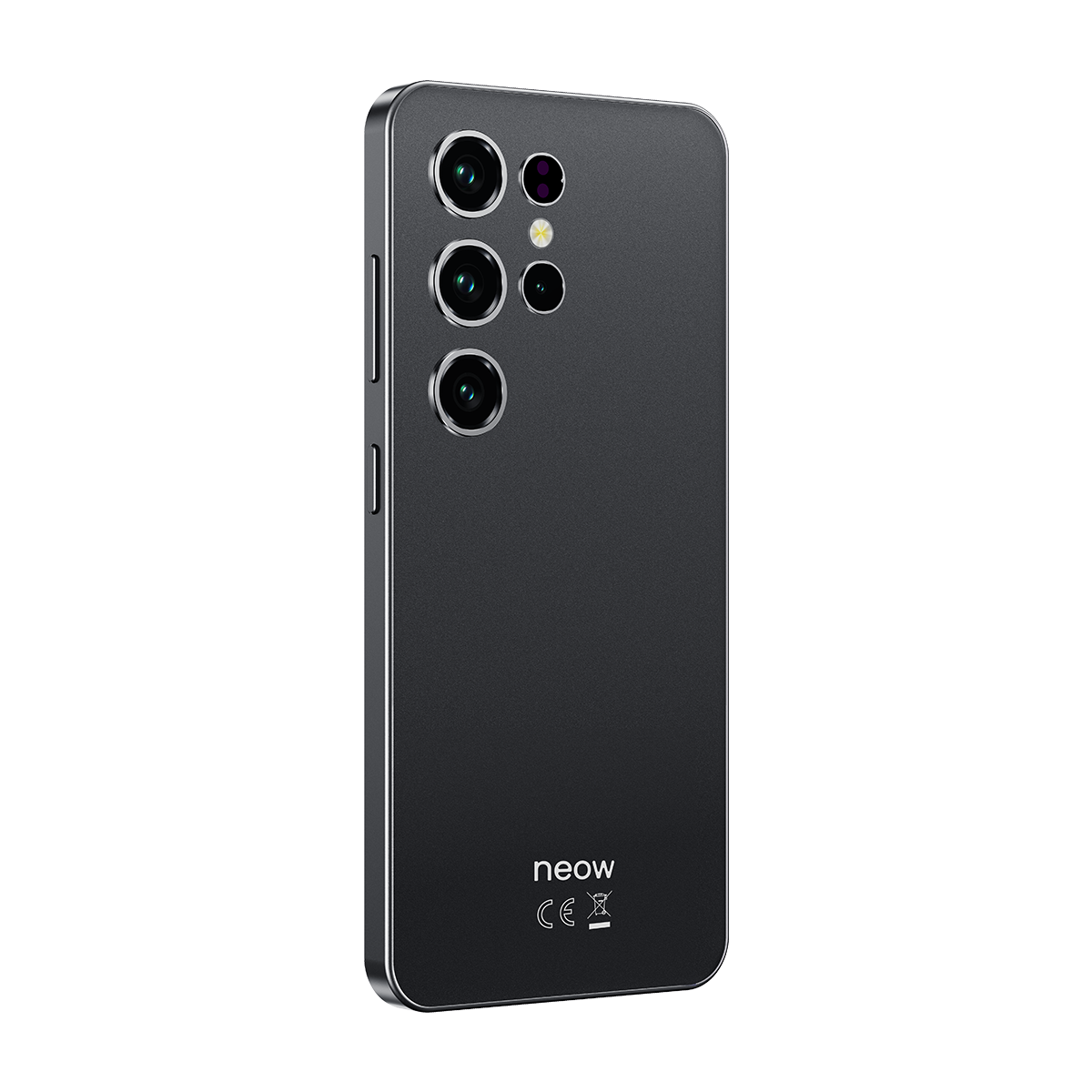
Designed specifically to address the parents' dilemma, the NEOW Kids takes the careful design of a recent device while integrating native protection without a web browser or social networks. This device makes it possible to maintain the essentials of communication without exposing the student to the traps of the web, thus promoting successful social integration thanks to a rewarding design and a secure blind (the Store NEOW).
| Selection criteria | Classic Smartphone + Parental Control | Basic Phone (Dumbphone) | NEOW Kids |
|---|---|---|---|
| Essential social connection | Yes (Calls, SMS, WhatsApp, Networks) | Limited (Calls, SMS only) | Yes (Calls, SMS, WhatsApp included) |
| Internet Security | Low (Bypassable by VPN) | Absolute (No internet) | Absolute (No web browser) |
| Social Networks | Time filtering difficult to maintain | Impossible | Natively blocked |
| Integration into college | Risk of overconsumption | Risk of stigmatization | Valued (Modern Design) |
At what age and why equip your teenager?
Entry into middle school is the main equipment moment, justified by the new daily trips and the parents' need to be able to contact their child at any time. In France, the transition to secondary school generally takes place around age 11.
However, providing direct access to the digital world is not without risk. As Arcom points out, early exposure to an unfiltered flow of information can impact concentration and sleep. Preventing risks linked to harassment or access to inappropriate content requires real hardware and software vigilance.
- 11 years old is the average age of obtaining the first smartphone, coinciding with entry into college (ARCEP, 2023).
- 15 years is the legal threshold of digital majority set in France for autonomous registration on interactive platforms (Law of 2023).
For younger children, some parents are first turning to connected watches for pre-teens equipped with GPS beacons. But quickly, the need for a real keyboard and a screen suitable for reading pushed towards the mobile transition. According to French legislation from 2023, the legal framework now sets a digital majority threshold at 15 years old to register on social platforms, reinforcing the need for equipment natively restricted upstream.
The essential technical criteria in 2026
The priority for a college student is not to have an overpowering machine, but a robust, ergonomic device whose digital well-being is at the center of the user experience. It is therefore useless to focus on specifications intended for intensive video gaming.
- Screen and readability: A modern, intermediate-sized screen (around 6 inches) offers excellent comfort of daily use for reading messages without weighing down the device.
- Performance and system: The device should have a smooth and stable operating system to perform essential tasks without slowing down.
- Autonomy and reliability: A solid battery capable of lasting more than a day is essential for reaching parents after school.
- Ergonomics and hardware protection: Opt for unlocking by PIN code and don't compromise on protection (shockproof shell and reinforced glass).
Finally, consider associating the device with a blocked plan to guarantee excellent value for money and avoid any unpleasant financial surprises.
FREQUENTLY ASKED QUESTIONS
Sources & References
- ARCEP (2023). Digital barometer: the uses of the French.
- Arcom (2022). Use of screens and the internet by children and adolescents.