How much data for a teenager? Choose your mobile plan wisely
Reading: 4 mins
- A package of 5 to 10 GB is generally sufficient for a first supervised equipment (college).
- The average consumption of mobile data in France exceeds 15 GB per month (ARCEP, 2023).
- Videos (streaming, social networks) are the biggest consumers of mobile internet data.
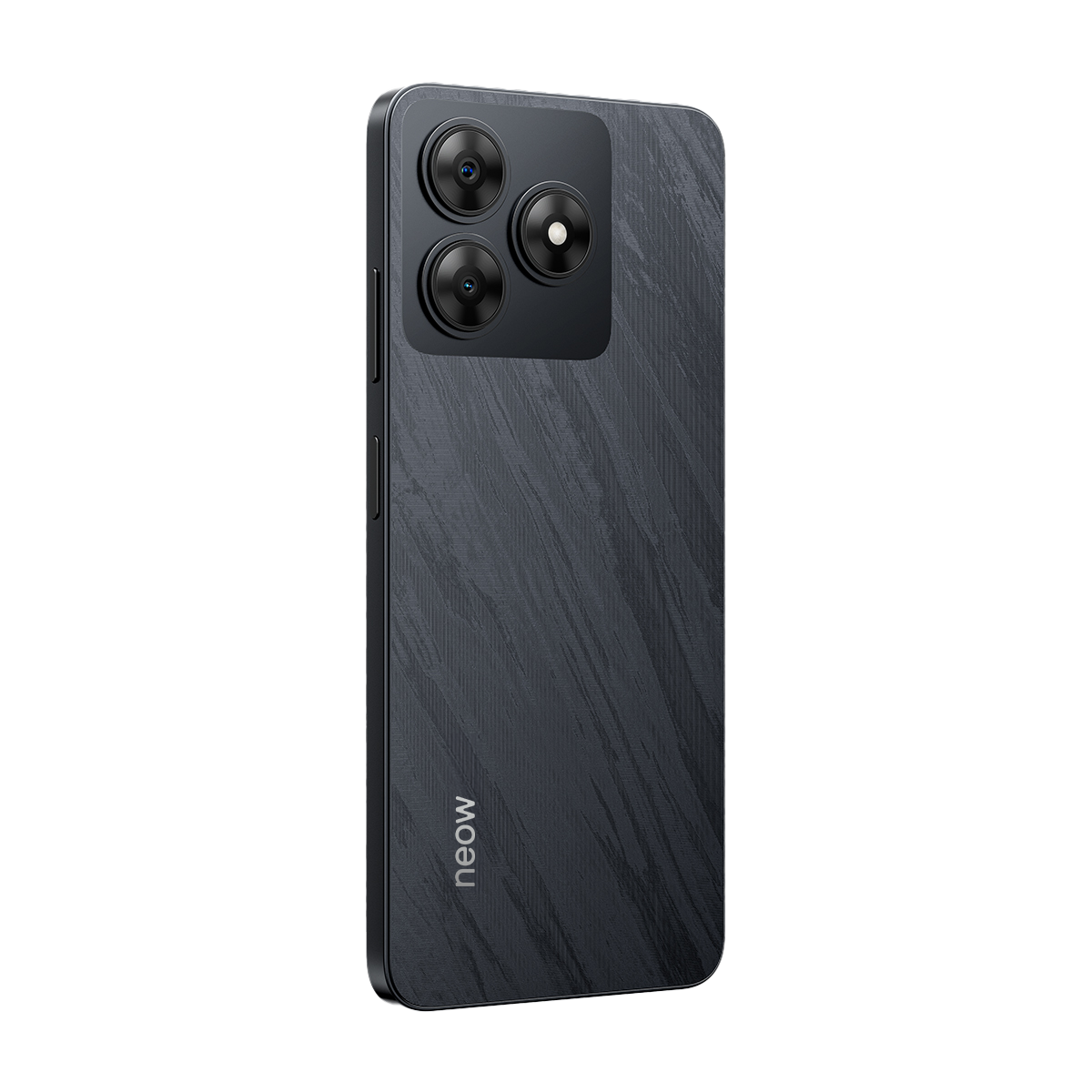
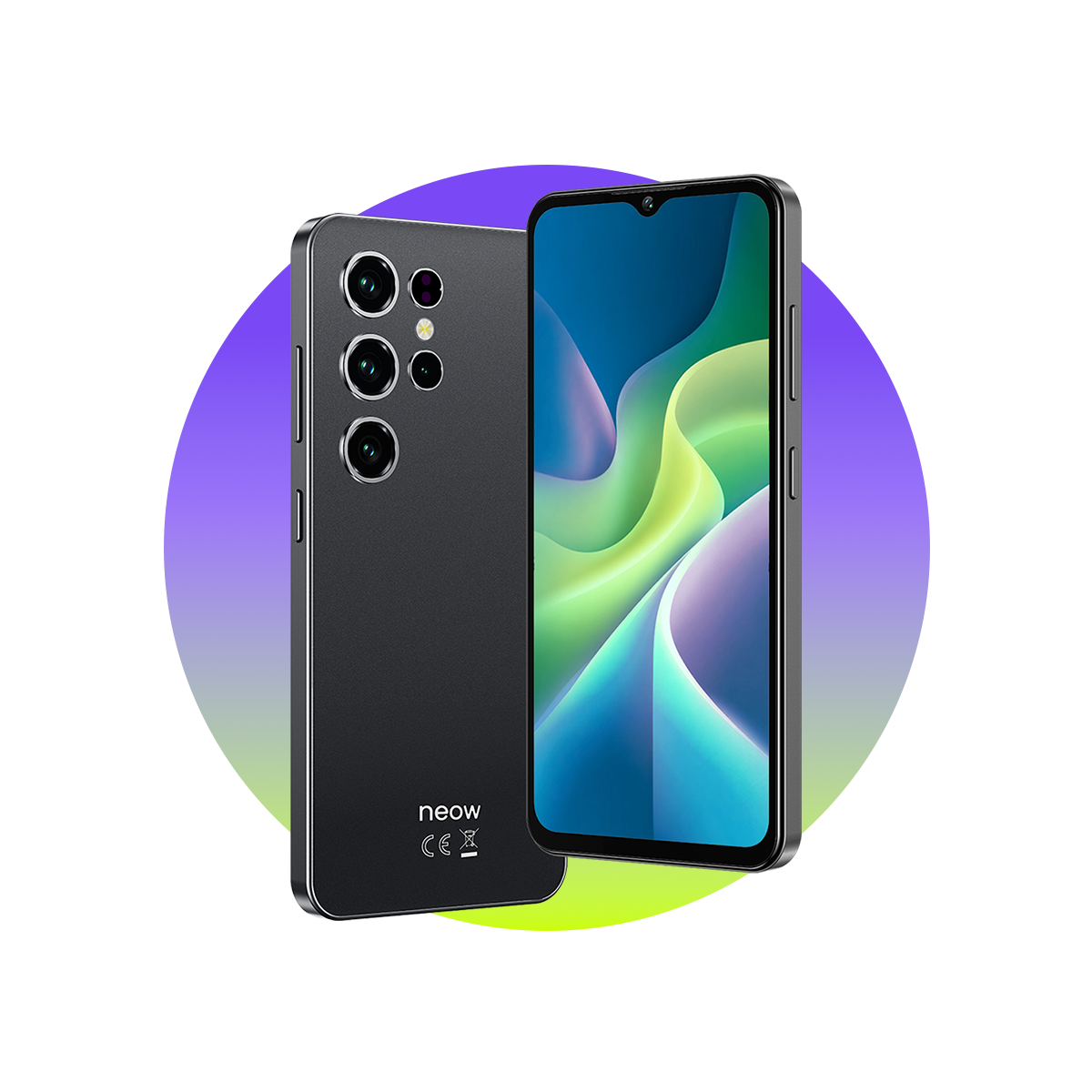
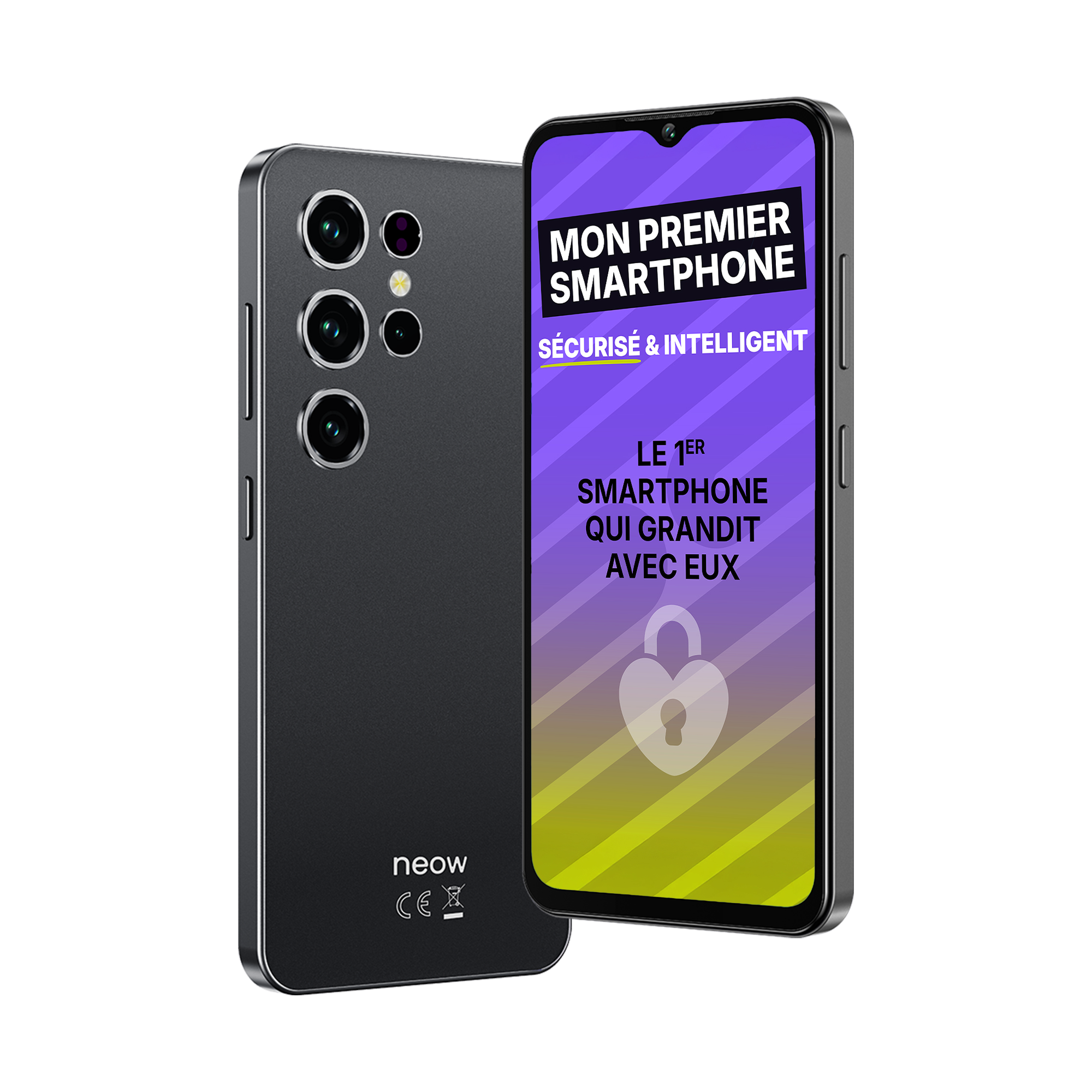
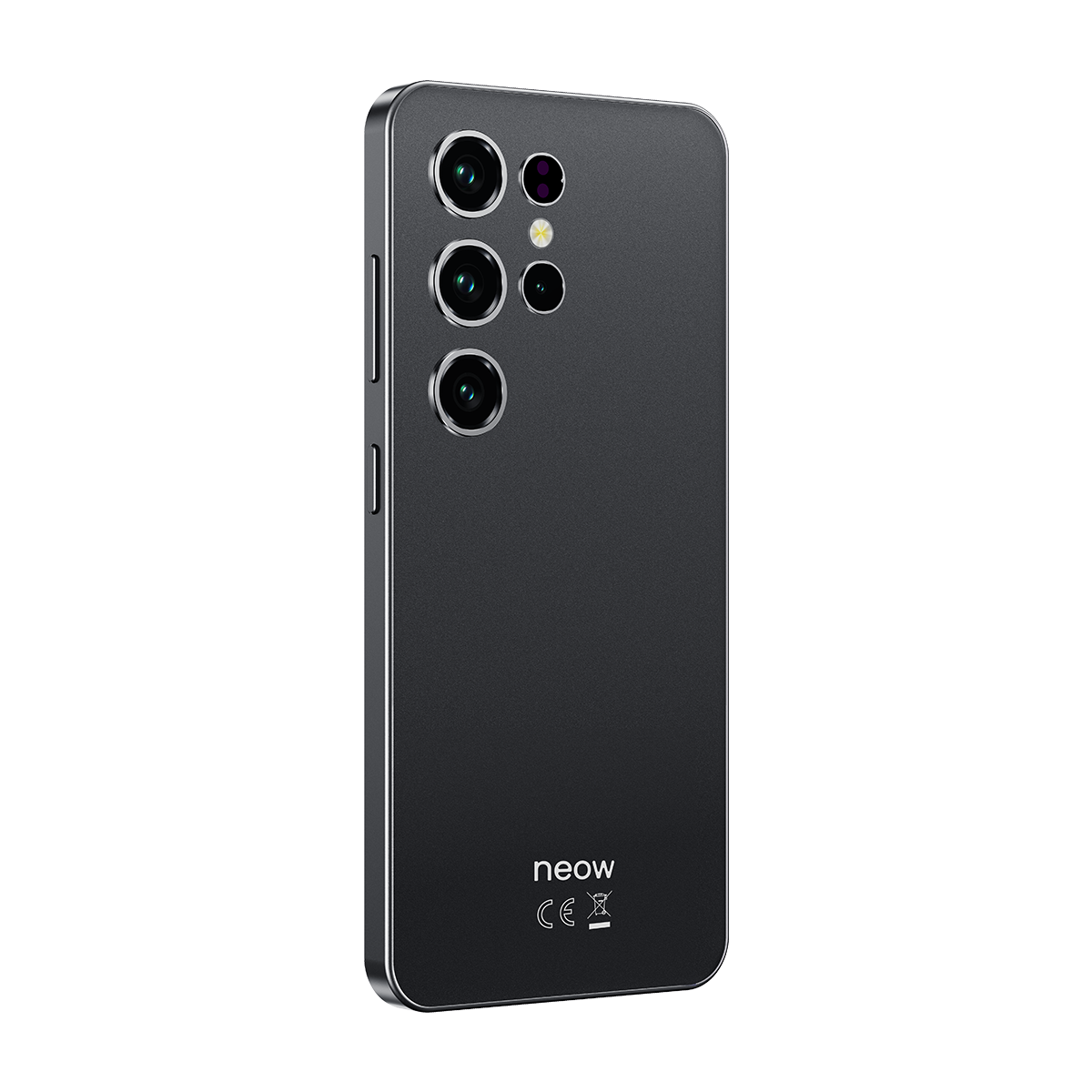
- Pair a secure smartphone like NEOW Kids to a scalable package helps encourage responsible use without frustration.
Choosing a mobile phone for your child also involves choosing the right data envelope and the right mobile plan. Too low, it exposes itself to overrun or reloading of data. Too high, it unnecessarily increases the monthly budget.
According to theARCEP, the average consumption of mobile data in France exceeds 15 GB per month per SIM card (Annual Observatory). This figure concerns all mobile phone users, including adults. For a teenager equipped with a framed smartphone, the real needs are often lower - provided the mobile subscription is adapted to their use.
The objective is not to choose the largest telephone plan, but to define an internet envelope consistent with the child's profile.
What data consumption according to usage?
Data consumption depends directly on the applications used and the time spent on the mobile network rather than on a Wi-Fi connection (on your internet box you can limit the data used and/or set up a usage schedule).
Average estimates observed:
| Usage | Estimated consumption |
|---|---|
| 1 hour of video in standard quality (480p) | ≈ 300 MB |
| 1 hour of HD video | 1 to 3 GB |
| 1 hour of music streaming | 50 to 100 MB |
| 1 hour on social networks (scroll + short videos) | 100 to 250 MB |
| 1 hour video call | 300 to 500 MB |
| Web browsing 1 hour | 50 to 70 MB |
| GPS 1 hour | 5 to 10 MB |
Social networks are among the most variable uses: use focused on text consumes little, but short video formats (Reels, TikTok, Shorts) significantly increase mobile internet data consumption.
App updates can also be several hundred megabytes in size if done over the 4G network rather than Wi-Fi.
- 15 GB: average monthly mobile data consumption per user in France (ARCEP).
5 to 10 GB: a first mastered children's plan
A data envelope of 5 to 10 GB generally suitable for:
- a college student,
- use mainly via Wi-Fi at home,
- little video in mobile internet data,
- Moderate messaging and browsing.
This format corresponds well to a child's package or to blocked packages limiting the risk of out-of-packages. A blocked package avoids any surprises and promotes responsible use.
In this configuration, data consumption remains consistent with a phone configured to limit access to inappropriate content and regulate the installation of mobile applications.
Blocked package : type of mobile subscription which blocks access to the internet or calls once the allocated envelope has been consumed, thus preventing any billing overrun.
Data / Mobile data : Internet volume allocated by the operator to browse, download or watch videos outside of a Wi-Fi connection.
20 to 40 GB: greater autonomy
An internet envelope of 20 GB becomes relevant if the adolescent:
- regularly consults social networks,
- watch videos off Wi-Fi,
- listen to music streaming daily,
- uses their cell phone while traveling frequently.
This volume is closer to the national average observed by theARCEP. However, it remains compatible with a structured educational framework.
80 GB and more: intensive use
The very generous mobile internet data packages mainly concern:
- intensive viewing of videos on a 4G network or on a 5G network,
- connection sharing,
- massive use outside the internet box.
For a college student, this type of mobile subscription is rarely necessary. A high data envelope does not guarantee better use, but increases the risk of uncontrolled consumption.
Smartphone and package: two complementary choices
The choice of a mobile phone and that of a mobile subscription respond to two different logics.
The smartphone structures usage: installation of mobile applications, management of updates, access to social networks, possible exposure to inappropriate content, presence or absence of parental control. It defines the framework in which the adolescent discovers mobile telephony.
The telephone plan: determines the data envelope available on the mobile network when the Wi-Fi connection of the internet box is not accessible. It influences the amount of mobile internet data that can be consumed on the go.
Well-sized mobile plans help encourage responsible use, without frustration or overconsumption of mobile data. This internet envelope can evolve gradually, at the same time as parental control, depending on the age, actual uses and digital maturity of the teenager.
Secure smartphone and suitable plan: consistency Neow
The mobile telephone market today offers numerous plans aimed at young users. Bouygues Telecom, NRJ Mobile, Free Mobile or even RED by SFR offer varied offers, with different internet envelopes, blocked packages or mobile subscriptions without commitment.
These offers allow parents to choose a suitable budget framework, while maintaining a certain flexibility of development.
In this landscape, certain formulas go further by directly associating a telephone and a plan in the same proposal. This is the case of the Protected Teen Pack offered by SFR, which integrates our model Safe+. This formula illustrates a structured approach: a mobile phone designed for adolescent use, associated with a mobile subscription sized for progressive use.
This type of offer does not replace the individual choice of telephone plan, but it constitutes a concrete example of global support: adapted equipment, coherent data envelope and clear framework from the start of service.
The main thing remains to be able to adjust the internet envelope according to real needs, whether it is a classic children's package or a bundled offer. Consistency is based less on the volume of mobile internet data than on the adequacy between age, uses and the level of autonomy sought.
In summary: which data envelope to choose?
- 5 to 10 GB : first supervised equipment.
- 20 GB : progressive autonomy.
- 40 GB and more : sustained use.
- Beyond : rarely necessary for a middle school student.
Data consumption must be analyzed before increasing the internet envelope. The mobile operator's customer area generally makes it possible to precisely monitor mobile internet data consumption and adjust the offer if necessary.
In the logic of digital education, balance remains a priority:
a smartphone designed for young people, a suitable mobile subscription, and a clear framework.
FREQUENTLY ASKED QUESTIONS
Sources & References
- ARCEP (Regulatory Authority for Electronic Communications, Posts and Press Distribution) : Annual observatory of electronic communications markets in France.